 AS Roma Hub
The Derby della Capitale, which pits AS Roma against Lazio, is one of the most anticipated events on the Italian football calendar. But for Giallorossi fans, this is not just a sporting event; it’s an experience that begins long before the kickoff and continues well after the final whistle.
Every derby starts with the tradition of ‘pasta e fagioli’, a typical dish that many Giallorossi fans prepare at home as a sign of good luck. On match day morning, the restaurants and trattorias around the Stadio Olimpico fill with fans who, between bites, share stories of past derbies, unforgettable moments, and the emotions that only football can provide.
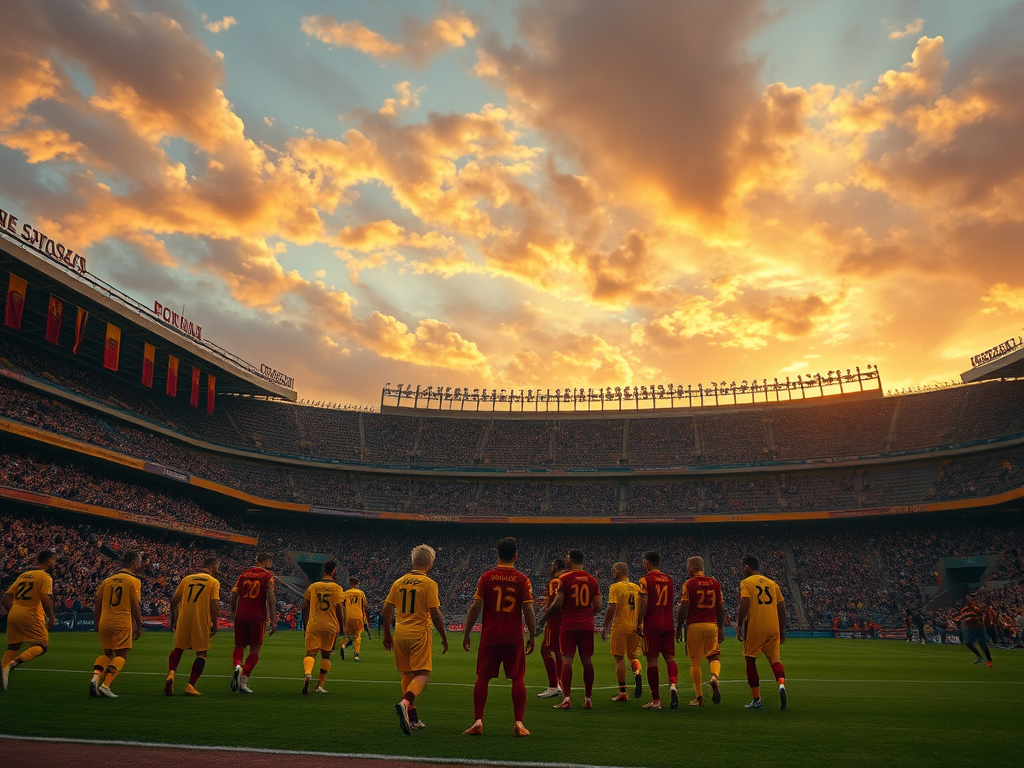
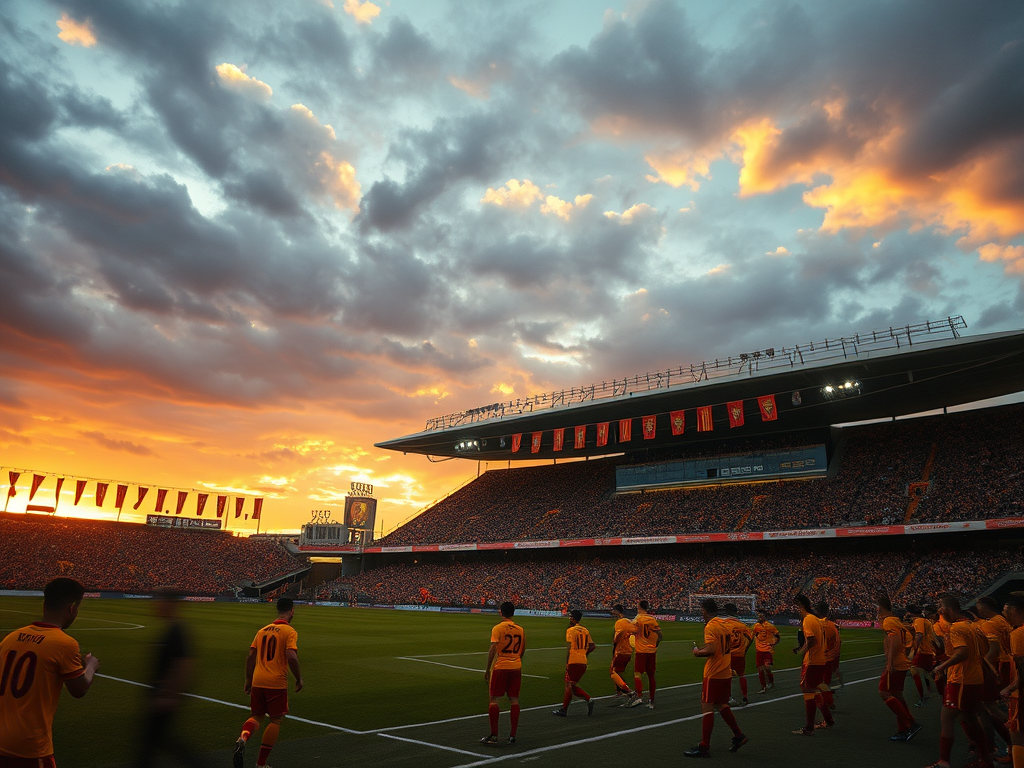
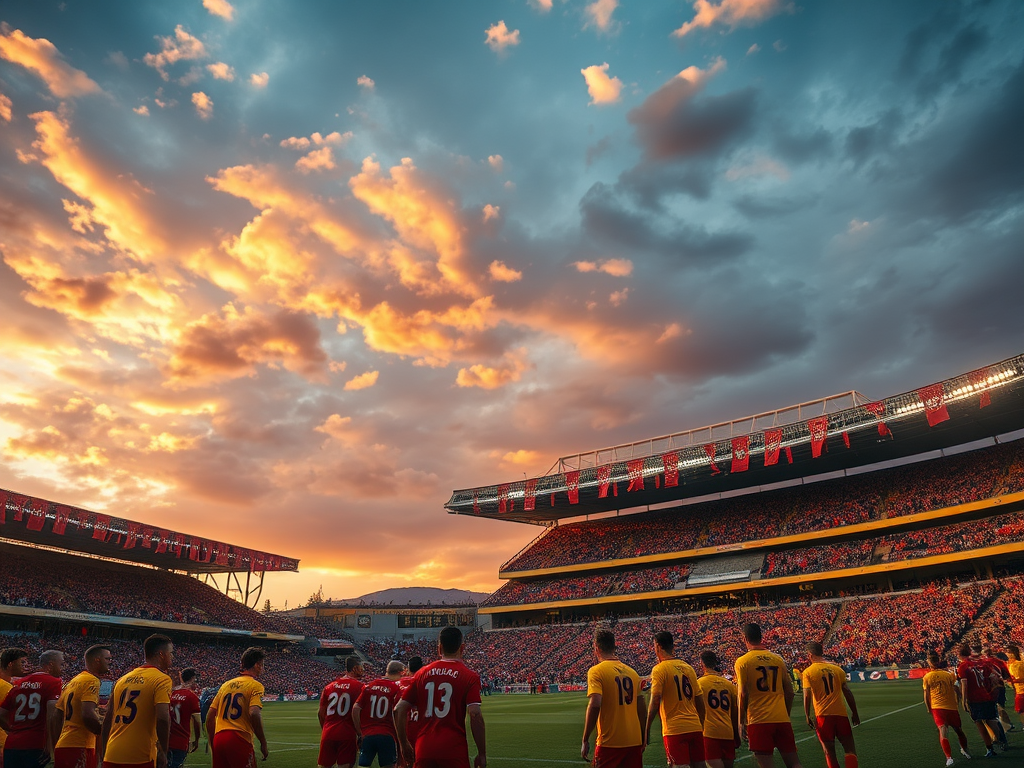
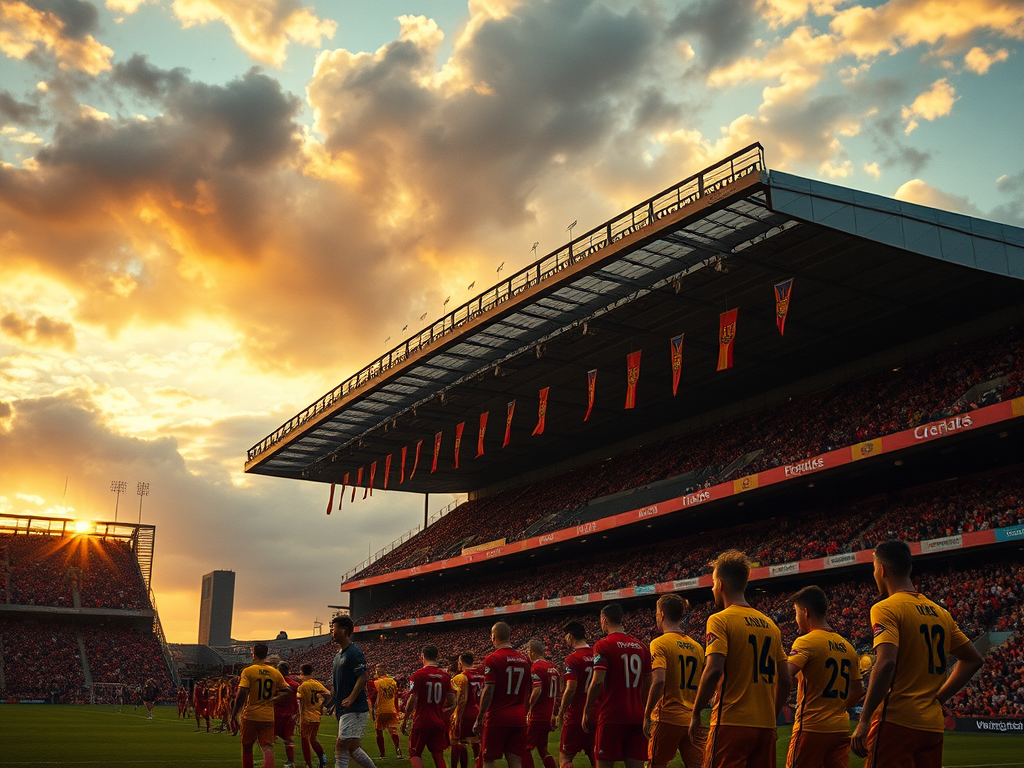
By the time fans arrive at the stadium, the atmosphere is already electric. Giallorossi supporters gather at various meeting points, proudly donning their team colors. The choreography that precedes the teams’ entrance is a true spectacle: banners, smoke bombs, and chants echoing through the stadium create an atmosphere that is hard to describe to those who have never experienced it. The ‘Curva Sud’, the hottest sector of Giallorossi support, is a sea of flags and passion: here, fans not only support the team but live and breathe Roma with every fiber of their being.
The rivalry with Lazio is not just sporting; it is deeply rooted in the history and culture of Rome. During the derby, Giallorossi fans sing songs that recount the greatness of their team, from Francesco Totti to Daniele De Rossi, legends who have written unforgettable chapters in Roman history. Every chant, every applause, and every whistle is a way to express their unconditional love for Roma, a love passed down from generation to generation.
But the derby is not just about the fans. Pre-match rituals play a crucial role as well. Before the match starts, many fans gather for a moment of reflection, often sharing a toast for the team, a symbolic gesture representing the unity of the Giallorossi community. This is not just a moment of celebration but an opportunity to renew their faith in the team and its future.
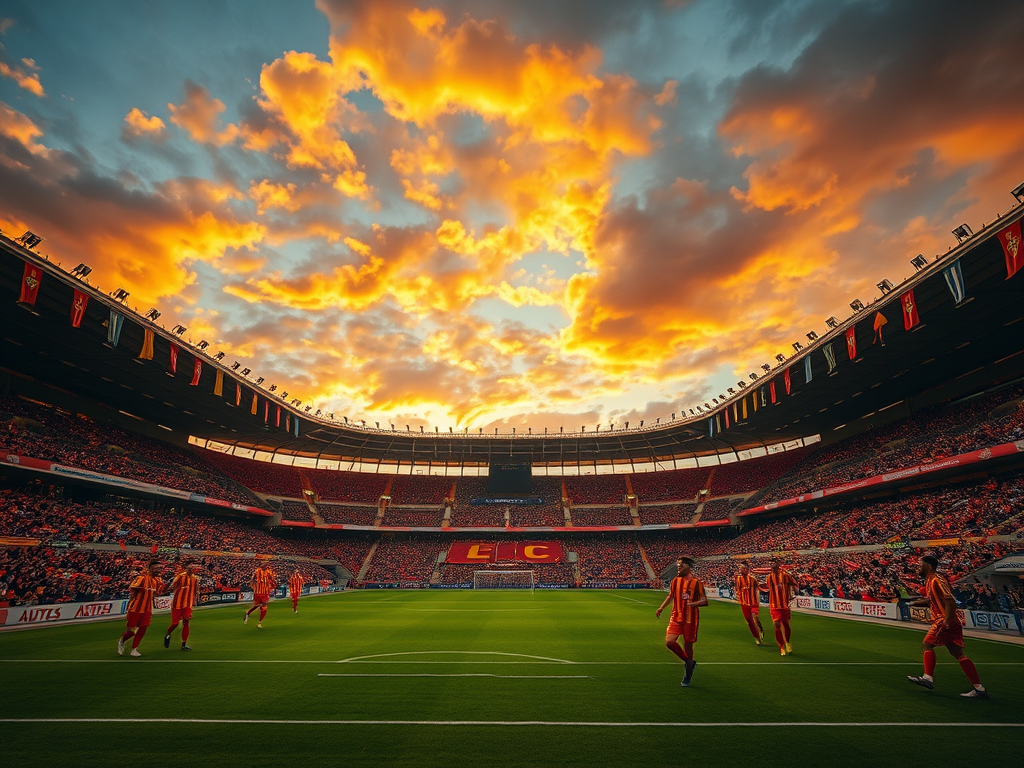
With the referee’s whistle, the atmosphere changes: every pass, every shot, and every save is met with a roar of encouragement or disappointment. The faces of the fans tell stories of hope, fear, and above all, passion. And when Roma scores, the ‘Curva Sud’ erupts in a cheer that resonates throughout the city, a moment of pure euphoria that unites everyone, regardless of individual differences.
At the end of the match, regardless of the result, Giallorossi fans continue to sing, celebrate, or reflect. For them, the derby is a fundamental part of their identity, an event that transcends football and becomes a collective experience. In this way, the Derby della Capitale represents not just a challenge on the pitch, but a celebration of culture, tradition, and love for Roma.
In conclusion, the Derby della Capitale is much more than just a football match: it is a ritual that embodies the essence of Giallorossi passion, a bond that unites fans in an embrace of love and loyalty toward their team, which continues to live on in every derby and in every Giallorossi heart.